
Cannabis product curation in Bangkok matters because a huge menu does not automatically create a better buying experience. When products are poorly organized, weakly explained or selected simply to make the menu look bigger, customers can end up with more confusion rather than more choice. A curated dispensary range should make comparison easier, clearer and more useful.
Wonderland Bangkok already operates in a market where customers can encounter dozens of strain names, THC percentages and product descriptions in a single visit. The challenge is not simply offering enough options. It is deciding which products deserve space, how they should be presented and whether staff can explain the difference between them.
What Should Cannabis Product Curation in Bangkok Actually Do?
At first glance, a menu with 100 products sounds impressive.
But once the customer starts comparing unfamiliar strain names, cannabinoid percentages, cultivation claims and prices, the size of the menu can become part of the problem.
More choice creates value only when the differences are understandable. That is the purpose of cannabis product curation in Bangkok: selecting and organizing products deliberately so customers can see why one option is meaningfully different from another.
Wonderland’s existing guide to choosing cannabis products in Bangkok approaches the issue from the customer side: look beyond the strain name, pay attention to condition, labeling, storage and the information available. Product curation is the other side of that same conversation. The dispensary has to create a range that makes those comparisons possible in the first place.
Why Too Much Choice Can Make Buying Harder
A large menu can create the illusion of variety while making decisions less clear.
If ten strains sit in the same broad price range, carry similar descriptions and are explained with the same handful of words, the customer does not really have ten distinct choices. They have ten labels competing for attention.
Good cannabis product curation in Bangkok should reduce that friction.
That does not mean every dispensary needs a tiny menu. It means products should earn their place through meaningful differences such as genetics, cultivation, cannabinoid profile, terpene information, origin, format or price point.
A Memorable Strain Name Is Not a Product Strategy
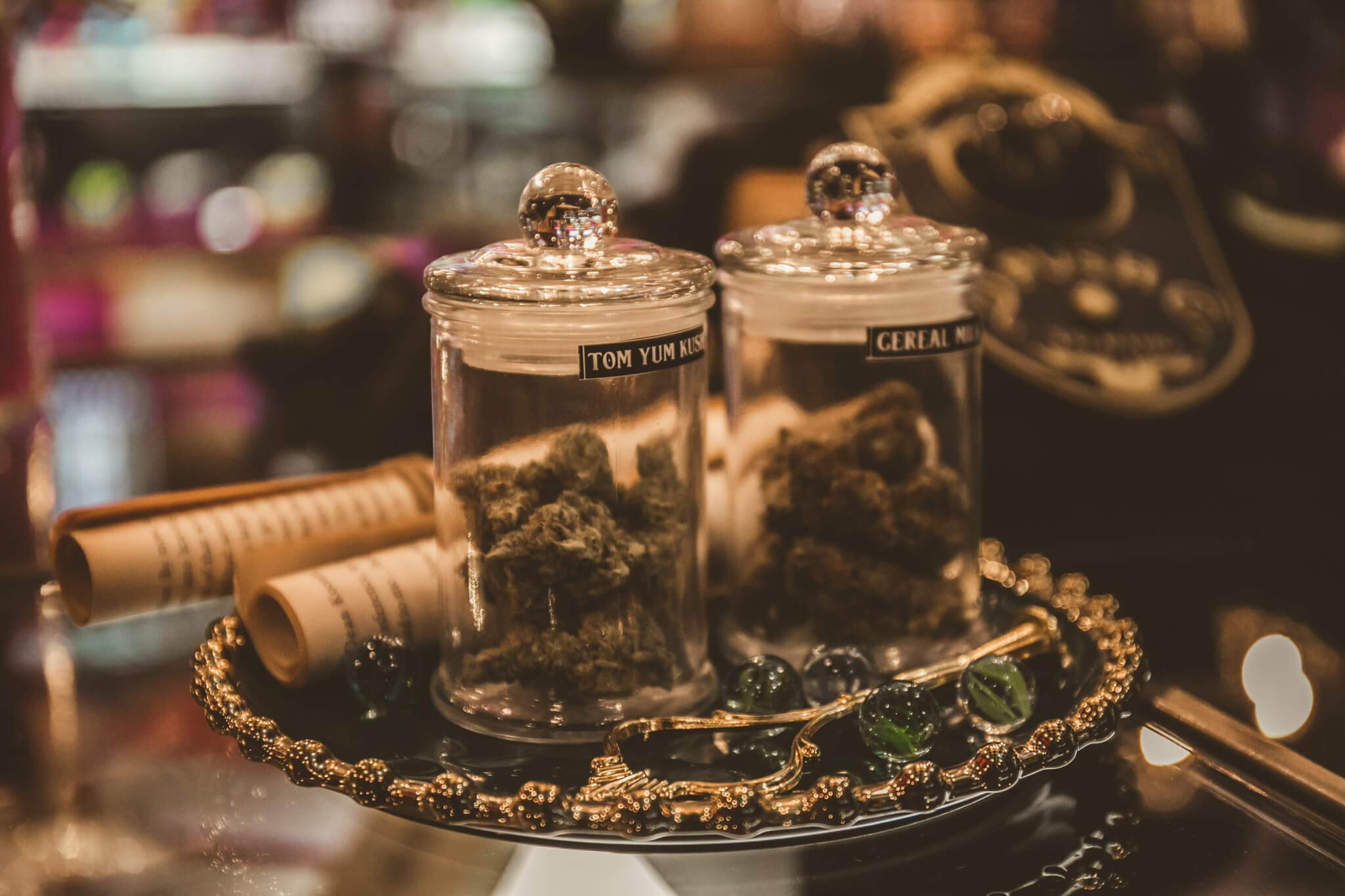
Cannabis branding is full of colorful strain names. Some are useful shorthand for known genetics; others are mainly memorable labels.
That can make a large menu look exciting while hiding how little practical information is actually being communicated.
Wonderland’s guide to cannabis genetics and strain names explains why a name alone cannot establish that two products are chemically or genetically identical. Different batches, phenotypes, cultivation methods and storage histories can all matter.
For cannabis product curation in Bangkok, that means a dispensary should not build its range around famous names alone.
A better range gives customers something more substantial to compare: current batch information, cultivation details, cannabinoid results, terpene information where available, freshness and product condition.
The THC Trap: Bigger Numbers Do Not Create Better Curation
One of the easiest ways to build a bad menu is to sort everything mentally from “lower THC” to “higher THC” and treat the largest number as the premium option.
THC percentage is relevant information, but it is not a complete quality score.
Wonderland has already addressed this directly in its article asking whether a higher THC percentage means better cannabis. The answer is no: potency does not tell customers whether flower was well grown, properly cured, sensibly stored or supported by useful documentation.
Strong cannabis product curation in Bangkok should therefore resist the temptation to make potency the entire hierarchy.
A menu is more useful when customers can compare several meaningful dimensions rather than chase one headline number.
Staff Should Actually Know What Is on the Menu
A curated range only works if the people presenting it understand it.
There is little value in carrying dozens of products if staff can only repeat the name and THC percentage.
Wonderland’s guide to questions customers should ask a cannabis budtender highlights the kinds of information that make a product conversation useful: genetics, cannabinoid results, terpene data, cultivation, batch documentation and storage.
That is also a useful test of cannabis product curation in Bangkok.
If a dispensary cannot explain why a product is on the menu, what distinguishes it from nearby options or what documentation supports the description, the range may be broad without being meaningfully curated.
Curation should make staff knowledge deeper, not shallower.
Good Curation Includes Knowing What Not to Stock
Retailers are often encouraged to add more strains, price points and “premium” options. But a strong range also depends on saying no.
A product may have a fashionable name but weak documentation. Another may duplicate something already on the menu without adding a useful difference. A third may look impressive on paper but arrive in inconsistent condition.
Cannabis product curation in Bangkok should involve removing unnecessary duplication as well as adding new products.
A focused range can make a dispensary feel more confident because the menu communicates a point of view.

Product Presentation Has to Match the Curation
A curated menu can still fail if the presentation is chaotic.
Customers need a simple way to understand the range. Categories, labeling, pricing and supporting information should work together.
Wonderland’s article on how to read a cannabis lab report in Thailand is a good example of why presentation matters. Laboratory information is useful only when it can be connected to the correct product and batch. A generic report or unexplained percentage does not provide the same confidence as clear, traceable information.
For cannabis product curation in Bangkok, the same principle applies to the entire menu.
Information should be attached to the product it describes, easy to understand and specific enough to help someone compare options.
Curation Is Also About Consistency
A customer may forgive a dispensary for not carrying every fashionable strain. They are less likely to trust a range that changes quality dramatically from one product to the next.
Curation should create a baseline.
That baseline can include product condition, traceability, labeling, storage and the level of information staff are expected to understand. Not every product needs to look, smell or test the same. In fact, variety is part of the point. But the standard used to decide whether a product belongs in the range should be consistent.
That gives customers a reason to trust the selection process rather than judge every product from zero.
Wonderland Does Not Need the Biggest Menu to Have an Interesting One
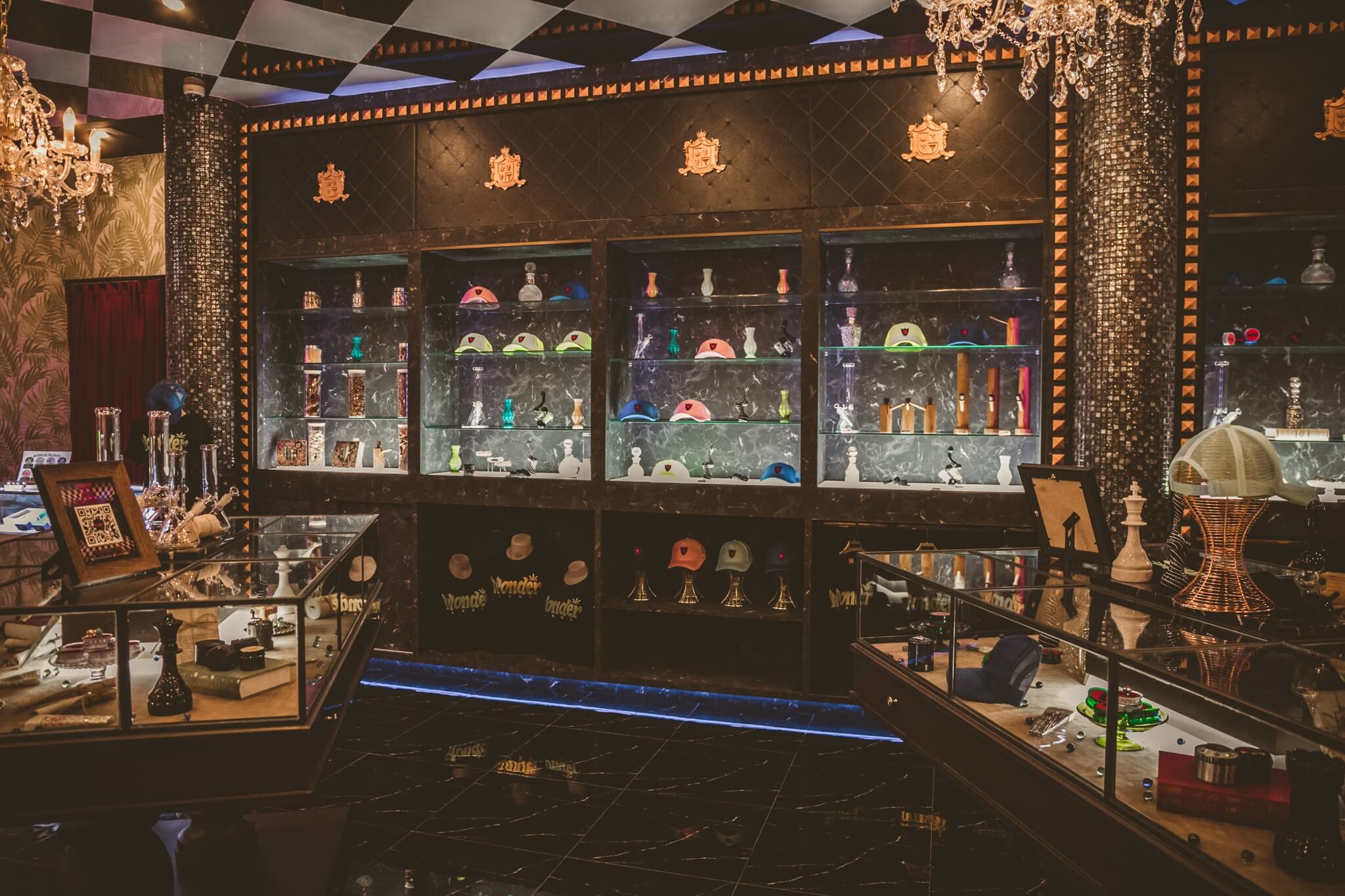
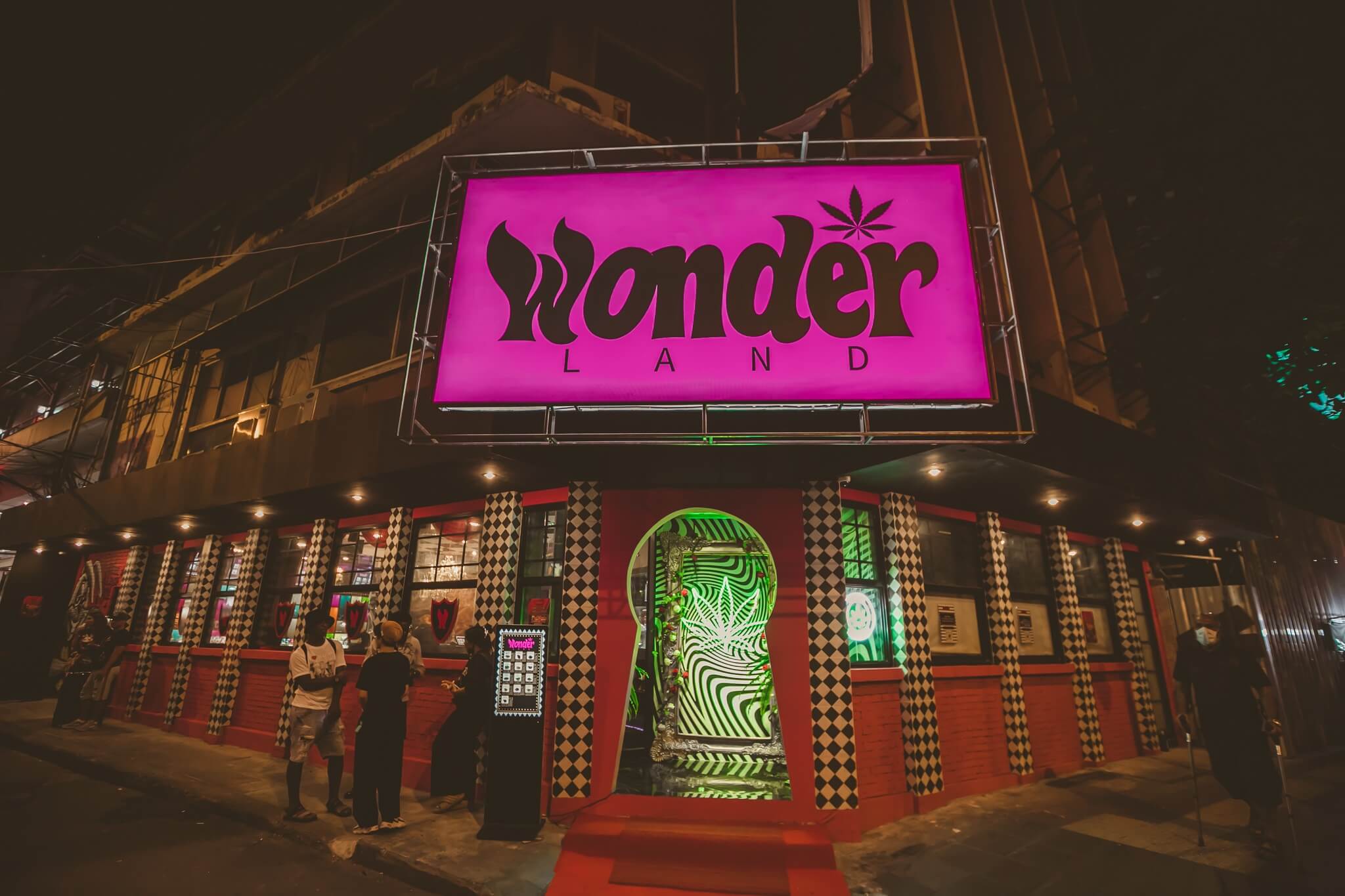
Wonderland’s identity is already built around a boutique, immersive experience. That gives the brand an opportunity to make selection itself part of the experience.
The goal does not need to be “more strains than everyone else.” Every product should make sense in the range.
The Wonderland cannabis strains directory makes clear that listed strains may not always be in stock and directs customers toward live availability. That distinction is useful because a historical or master list is not the same thing as the current in-store selection.
Good cannabis product curation in Bangkok should focus on what customers can meaningfully evaluate now, not simply how many names can be displayed online.
Better Choice Is More Useful Than More Choice
The most interesting cannabis menu is not necessarily the longest. A better menu creates contrast, makes space for questions and avoids pretending the highest THC number or most famous strain name automatically wins.
That is what cannabis product curation in Bangkok should achieve.
For Wonderland, this approach fits naturally with the brand’s boutique positioning. The store experience already asks customers to slow down and look more closely. The product range should do the same.
Questions Customers May Have About Cannabis Product Curation
Does a smaller menu always mean better cannabis?
No. A smaller menu can still be poorly selected, just as a large menu can be well organized. The important question is whether the products have clear differences, useful information and a consistent standard behind them.
Why not just choose the product with the highest THC percentage?
Because THC percentage describes potency, not overall quality. Product condition, genetics, cultivation, storage, batch information and other characteristics also matter.
Should every product have laboratory information?
Available testing and documentation should be connected clearly to the product and batch they describe. Customers should ask what information is available rather than assuming a generic report applies to every item with the same strain name.
Can dispensary staff tell me which product will treat a medical condition?
Retail staff can explain factual product information, but they should not diagnose a condition or make treatment decisions. Medical suitability belongs with an appropriately authorized practitioner under Thailand’s current medical-cannabis framework.
The Better Menu Is the One That Makes Sense
A wall of strain names can create an impressive first glance. It does not automatically create a better customer experience.
The real value of cannabis product curation in Bangkok is that it turns a collection of products into a range people can understand. Selection, product information, staff knowledge, presentation and consistency all have to work together.
For Wonderland Bangkok, that creates a stronger position than simply competing on menu size. Thoughtful cannabis product curation in Bangkok can make the dispensary feel more confident, more distinctive and easier to navigate — because the aim is not to give customers the most choices possible, but to give them choices that are worth understanding.
Medical and legal information note: This article provides general retail and product-information guidance, not medical advice. Cannabis rules and clinical requirements in Thailand can change, so current official guidance should be checked before publication or use.