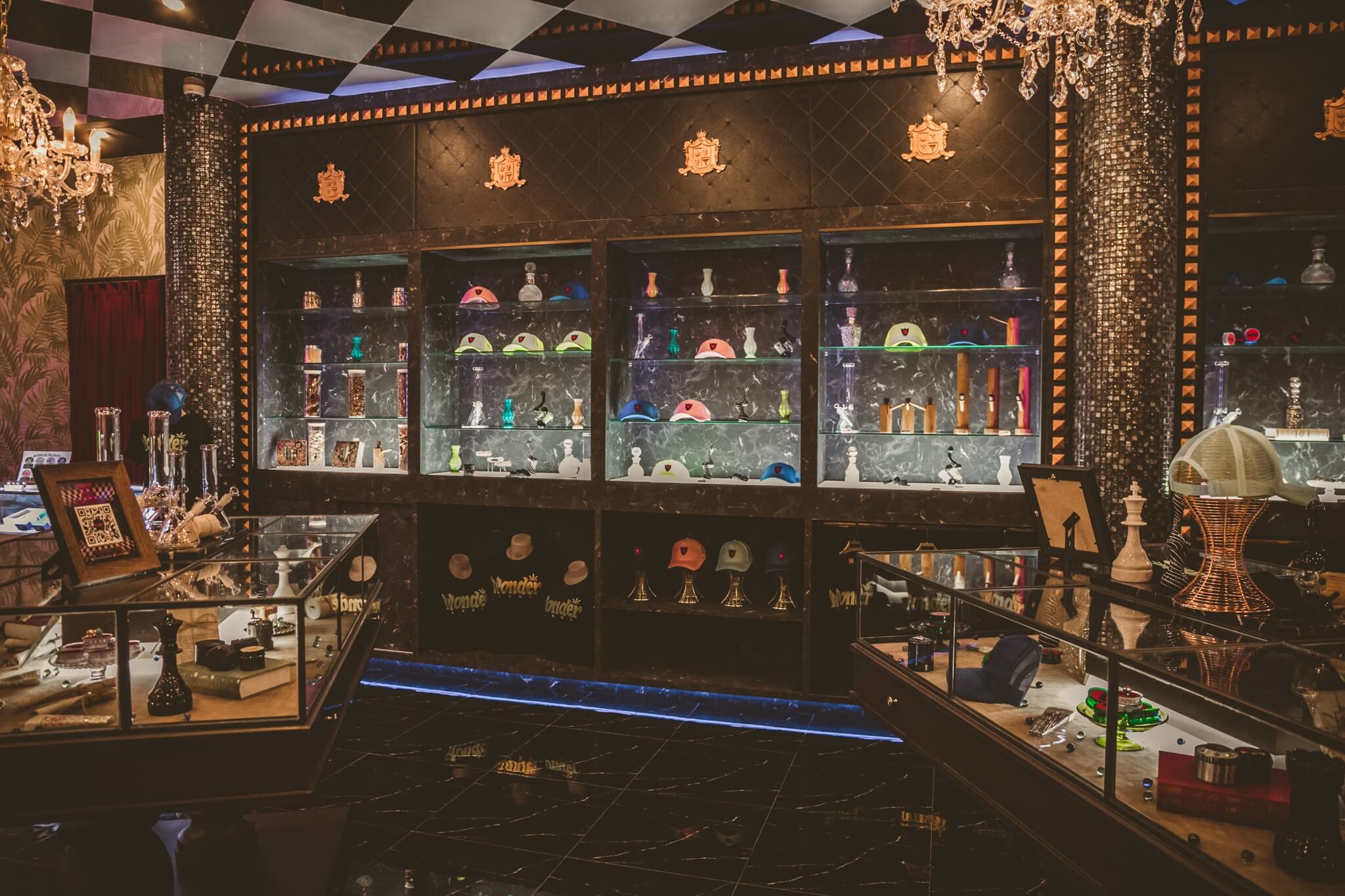
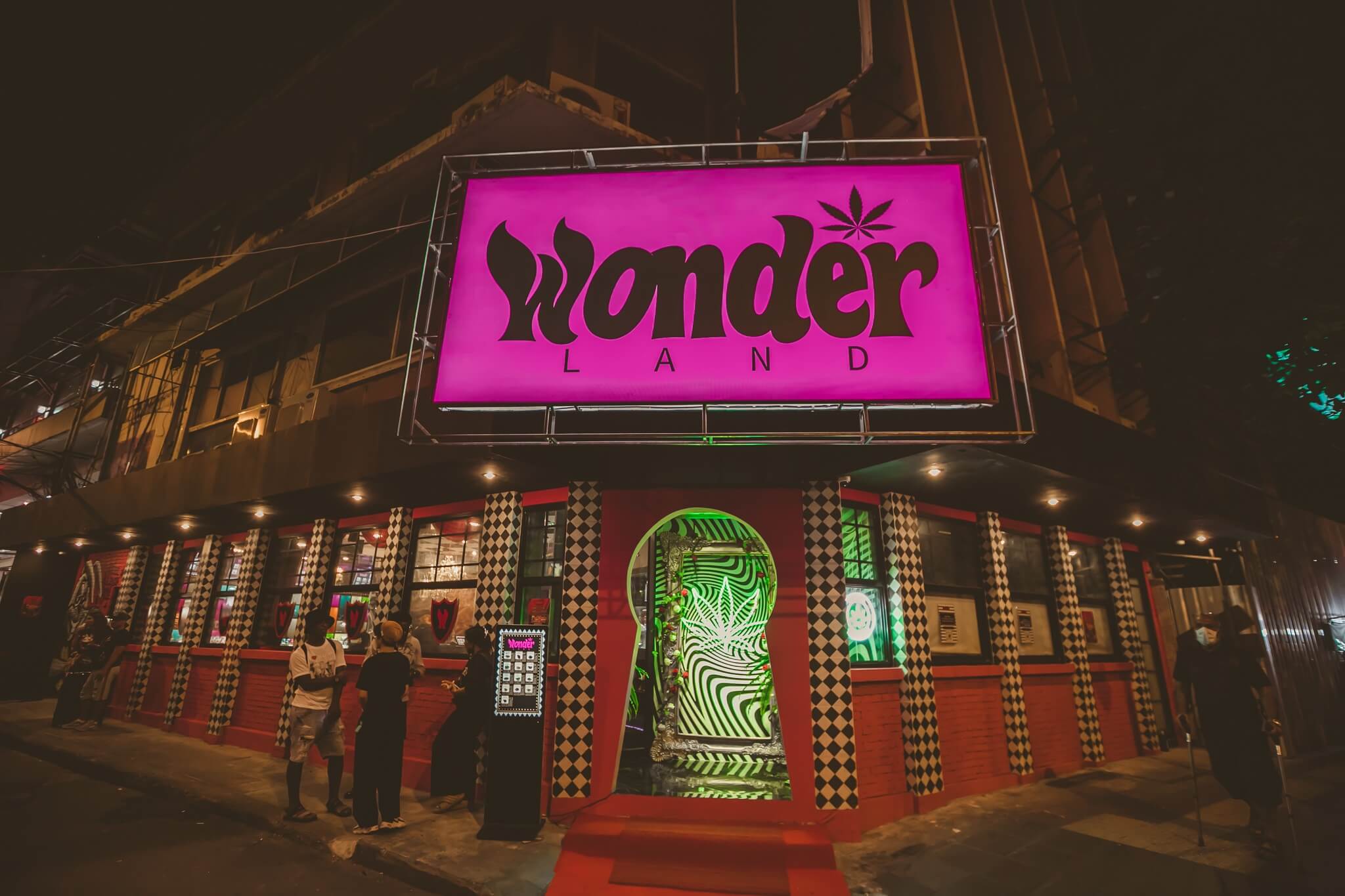
A knowledgeable cannabis budtender can help customers make sense of unfamiliar strain names, cannabinoid results, terpene profiles and laboratory documents. That guidance is particularly valuable in a dispensary with a large flower selection, where choosing according to the highest THC percentage or the most colourful name can easily lead customers in the wrong direction. However, a budtender’s role is to explain available products—not diagnose medical conditions, recommend treatment or replace an authorised practitioner.
Research into how cannabis dispensary staff evaluate information has highlighted the important position budtenders occupy between a rapidly changing cannabis market and customers looking for credible answers. It also found variation in the sources and frameworks staff use, making it essential for customers to ask specific questions and judge the quality of the answers they receive.
Here are the most useful questions to ask before choosing cannabis flower at Wonderland Bangkok.
What Does a Cannabis Budtender Actually Do?
A cannabis budtender is a customer-facing member of a dispensary team who explains the products available in the store. Depending on their knowledge and access to documentation, they may be able to clarify:
- The reported genetics and parent strains
- Whether flower is described as indica-dominant, sativa-dominant or hybrid
- THC and CBD test results
- Available terpene information
- Cultivation and origin
- Batch documentation
- Storage and product condition
- Differences between products in the current range
A good budtender should answer clearly, distinguish documented facts from general product descriptions and admit when information is unavailable.
They should not diagnose symptoms, prescribe cannabis or promise that a particular strain will treat a medical condition. Customers seeking medical cannabis in Thailand must follow the lawful process and obtain advice from an authorised practitioner. ThaiCannaMed’s patient consultation service provides access to the medical assessment and prescription process.
1. What Are the Strain’s Genetics and Parent Plants?
Strain names are memorable, but the name alone may reveal very little. Ask the cannabis budtender whether the reported parent strains and lineage are available.
Knowing the parents can help explain how a cultivar was developed and which characteristics its breeder may have attempted to combine. It may also reveal relationships between products carrying different commercial names.
However, parentage does not guarantee that every plant will express identical characteristics. Different phenotypes from the same cross may vary in aroma, appearance, cannabinoid levels and terpene composition.
Research examining the genetic structure of cannabis found that strain names do not always represent consistent genetic identities. In some comparisons, samples carrying the same name were genetically less similar than samples sold under different names.
A responsible answer should therefore explain the reported lineage without presenting it as a guarantee. Wonderland Bangkok’s guide to cannabis genetics provides more detail about parent strains, phenotypes and the limitations of commercial naming.
2. What Do the THC and CBD Results Show?
THC percentage is useful, but it should never be the entire recommendation. Ask to see the available cannabinoid information for the product.
A well-informed cannabis budtender should be able to distinguish between:
- THC and THCA
- CBD and CBDA
- Total potential THC
- Other cannabinoids included in the test
- A product description and an actual laboratory result
Customers should also ask whether the displayed result applies to the current batch. A report from an older harvest or a differently sourced product may not accurately describe what is currently in the container.
Research into the accuracy of labelled THC potency found that measured THC did not always match the figure stated on commercial products. The study was conducted in Colorado rather than Thailand, but it demonstrates why traceable, batch-specific testing matters.
Wonderland Bangkok’s article asking whether a higher THC percentage means better cannabis explains why potency should be considered alongside freshness, genetics, terpenes and overall product quality.
3. Is Terpene Information Available?
Terpenes are aromatic compounds responsible for many of the distinctive scents found in cannabis. They can help distinguish two cultivars with similar THC levels and provide more useful product detail than an indica or sativa label alone.
Ask which terpenes have been identified and whether the information comes from laboratory testing or a general description of the cultivar.
Commonly discussed terpenes include:
- Myrcene
- Limonene
- Pinene
- Linalool
- Caryophyllene
- Terpinolene
A cannabis budtender should not promise a medical outcome based on a terpene name. Scientific understanding of how individual terpenes contribute to the complete cannabis profile is still developing, and customer responses vary.
Nevertheless, a verified terpene profile can help customers compare the aroma and chemical composition of different products. Wonderland Bangkok’s guide to cannabis terpenes in Thailand explains these compounds in greater detail.
4. Is This Product Indica, Sativa or Hybrid—and What Does That Mean Here?
Customers are often told that indica is relaxing, sativa is stimulating and hybrid falls somewhere between the two. Modern cannabis does not fit so neatly into those categories.
Extensive crossbreeding has created cultivars with complex genetic backgrounds. Two products described as indica-dominant can have different cannabinoids, terpenes and product characteristics. The same applies to two sativa-labelled products.
Ask what evidence supports the classification and what information is available beyond the label. A useful answer might discuss genetics, chemical results and the current batch rather than repeating a generic list of expected effects.
Wonderland Bangkok’s guide to indica vs sativa explains why the traditional distinction still offers context but cannot reliably predict an individual patient’s response.
If the answer consists only of “indica for night and sativa for day,” ask for more specific information.

5. Can I See the Certificate of Analysis?
A certificate of analysis, commonly shortened to COA, records laboratory findings for a tested sample. When available, it may include cannabinoid results, terpene data and contaminant screening.
Ask the cannabis budtender to explain:
- Which product the certificate covers
- The relevant batch or lot number
- When the sample was tested
- Which laboratory performed the analysis
- Which cannabinoids were measured
- Whether contaminants were included
- Whether the document matches the flower currently being supplied
A certificate is most useful when it can be traced to the current batch. A generic report bearing the same strain name is not necessarily sufficient, particularly when products from different producers may use identical names.
Customers should not feel awkward asking to see documentation. In a responsible medical cannabis setting, traceability is a reasonable part of comparing available products.
6. Where Was the Flower Grown?
Origin and cultivation standards contribute to product confidence. Ask whether the flower was grown in Thailand, who produced it and what cultivation standard applies.
The answer should be more useful than vague claims such as “premium” or “top shelf.” Those phrases are marketing descriptions, not measurable production standards.
Wonderland Bangkok supplies lab-tested, GACP-certified Thai-grown flower. GACP refers to Good Agricultural and Collection Practices, which provide a framework for managing the cultivation and collection of medicinal plant materials.
The cannabis budtender should be able to explain the available origin and production information without exaggerating what a certification proves. Cultivation standards are important, but customers should still consider the product’s current condition, laboratory information and storage.
7. How Has the Flower Been Stored?
Testing documents describe a product at a particular point in time. Storage affects what happens afterwards.
Cannabis flower can deteriorate when exposed to excessive heat, humidity, air or light. Poor storage may affect its aroma, moisture balance, appearance and general condition.
Ask how the flower has been stored and whether the container protects it from unsuitable environmental conditions. Customers can also look for signs of poor handling, including:
- Excessive dryness
- Unusual moisture
- Weak or stale aroma
- Damaged flower
- Contaminated packaging
- Missing or unclear product information
A trustworthy cannabis budtender should take storage questions seriously. A famous strain name and impressive laboratory result cannot compensate for flower that has been handled badly after testing.
8. Does the Product Information Apply to This Batch?
This question connects everything else.
Cannabis is a natural agricultural product. Cannabinoid and terpene concentrations can vary between plants, phenotypes and harvests. Customers should therefore check that the description, laboratory report and flower all refer to the same current batch.
Ask whether the batch number appears on both the product information and supporting document. If the numbers do not match, ask why.
Wonderland Bangkok’s guide to cannabis product labels in Thailand explains the importance of batch details, ingredients, laboratory results and other product information.
Precise answers build confidence. Vague answers such as “all batches are basically the same” should be treated cautiously.
9. Is This Product Consistent with My Prescription?
In Thailand, cannabis flower is supplied within a medical framework. A dispensary employee cannot decide whether cannabis is medically appropriate for a customer or independently change the treatment authorised by a practitioner.
The cannabis budtender can explain which available products correspond with the information permitted under the prescription. The practitioner determines the medical treatment and authorised quantity.
Patients should be prepared to show their valid prescription and should not ask dispensary staff to bypass it. A responsible dispensary verifies the documentation, supplies only the authorised amount and records the transaction as required.
This separation protects both the patient and the dispensary:
- The practitioner makes the medical decision.
- The dispensary verifies the prescription.
- The budtender explains the available products.
- The patient follows the authorised treatment.
A budtender offering to ignore the prescription process is not providing better service. They may be placing the customer at legal and medical risk.
10. Why Are You Recommending This Particular Product?
This is one of the best questions a customer can ask.
A useful recommendation should be supported by relevant information. The answer might refer to the product’s documented genetics, cannabinoid results, terpene profile, cultivation standard, freshness or compatibility with the prescription.
Be cautious if the only reasons are:
- It has the highest THC percentage
- It is the most expensive
- It is currently popular
- The strain name sounds impressive
- The seller personally prefers it
- It promises a guaranteed effect
- The store needs to clear the remaining stock
Personal opinions can form part of a conversation, but they should be identified as opinions. A professional cannabis budtender should distinguish personal experience, traditional descriptions and verified product information.
Warning Signs to Watch For
Customers should reconsider a recommendation if the person serving them:
- Cannot explain the product’s basic information
- Makes guaranteed medical claims
- Dismisses questions about testing
- Refuses to show available documentation
- Treats THC percentage as the only measure of quality
- Cannot connect the COA with the current batch
- Encourages purchasing beyond the authorised amount
- Offers cannabis flower without checking a valid prescription
- Promotes casual online flower delivery
- Pressures the customer into the most expensive option
Good service is based on clarity, traceability and honesty. The goal is not to impress customers with technical vocabulary but to help them understand what they are choosing.
Speak to a Cannabis Budtender at Wonderland Bangkok
Wonderland Bangkok offers lab-tested, GACP-certified Thai-grown flower for authorised medical use at its dispensary on Sukhumvit Soi 5. Customers can ask about available genetics, cannabinoids, terpenes, cultivation information and certificates of analysis before selecting a product.
The team can also explain the differences between products on the current Wonderland Bangkok cannabis menu. Flower is supplied in person through the compliant dispensary process rather than sold as a casual online delivery product.
Customers who do not yet have the required medical documentation should complete a consultation with an authorised practitioner before attempting to purchase flower.
Better Questions Lead to Better Choices
A good cannabis budtender should make cannabis easier to understand, not bury the customer beneath marketing language. Ask about genetics, cannabinoid results, terpenes, cultivation, storage, batch numbers and supporting laboratory documents. Then check that any available product is consistent with the prescription issued by an authorised practitioner.
The most valuable recommendation is not necessarily the highest-testing, most expensive or most famous strain. It is the one supported by clear information, suitable documentation and honest answers. At Wonderland Bangkok, speaking with a knowledgeable cannabis budtender gives customers an opportunity to look beyond the strain name and understand the product they are actually choosing.