The indica vs sativa distinction is one of the most familiar ideas in cannabis. Indica is commonly associated with physical relaxation, while sativa is often connected with alertness and daytime use. These descriptions are simple and memorable, but modern cannabis is far more complicated. Research into the genetic structure of cannabis has found only a moderate relationship between a product’s reported indica or sativa ancestry and its actual genetic identity.
That does not mean the labels are completely worthless. They can provide general context about a cultivar’s history, appearance or intended characteristics. However, customers should not assume that every indica will produce one predictable response or that every sativa will produce another. Genetics, cannabinoid content, terpenes, cultivation and individual sensitivity all matter.
What Did Indica and Sativa Originally Mean?
The words indica and sativa were originally used to classify cannabis plants according to their botanical characteristics and geographical origins.
Cannabis sativa was traditionally associated with taller plants, narrower leaves and longer flowering periods. These plants were commonly linked with warmer regions and were also cultivated for fibre and seed production.
Cannabis indica was traditionally associated with shorter, bushier plants, broader leaves and more compact flowers. These characteristics were connected with plants originating in different climates and geographical regions.
The original distinction therefore concerned the physical form and heritage of the plant. It was not created as a dependable system for predicting how a finished product would affect every person.
Over time, commercial cannabis culture transformed these botanical descriptions into consumer categories. Sativa became shorthand for one general set of characteristics and indica for another. That simplified system became widely recognised, even as the genetics behind modern products grew increasingly complex.
The Traditional Indica vs Sativa Difference
The familiar indica vs sativa comparison usually presents the two categories in the following way:
- Indica: Associated with calming, physically relaxing or evening characteristics
- Sativa: Associated with uplifting, alert or daytime characteristics
- Hybrid: A combination that may lean towards either side or sit somewhere between them
These descriptions can be useful when beginning a conversation about a product, but they should not be presented as guaranteed outcomes.
An indica-labelled cultivar may have a noticeably different cannabinoid and terpene profile from another indica. The same is true for two products labelled as sativa. Even separate batches carrying the same cultivar name can vary.
Wonderland Bangkok’s guide to choosing cannabis products in Bangkok explains why product quality, laboratory information and professional guidance should be considered alongside broad categories.
Why Modern Cannabis Does Not Fit into Two Boxes
Most cannabis flower available today has been shaped by decades of selective breeding and crossbreeding. Breeders have combined plants from different geographical and genetic backgrounds to develop new cultivars with selected characteristics.
As those cultivars were crossed again, the boundary between traditional indica and sativa lineages became increasingly blurred. Many products now described as indica-dominant or sativa-dominant are complex hybrids rather than direct examples of historically isolated plant populations.
A genome-wide study of commercial cannabis strains concluded that extensive and often undocumented hybridisation has made the conventional naming system unreliable for accurately identifying modern strains.
This helps explain why the indica vs sativa debate cannot be settled by looking at two rigid categories. A product may be labelled as 70% indica or 80% sativa, but such figures are not always supported by verifiable breeding records or genetic testing.
The label may describe how a breeder or seller understands the cultivar. It should not be mistaken for a complete scientific analysis of the flower.
What Matters More Than the Label?
When comparing modern cannabis, several factors can provide more useful information than the indica or sativa classification alone.
Cannabinoid Content
THC and CBD are the best-known cannabinoids, but cannabis may contain numerous minor cannabinoids as well. The balance and concentration of these compounds can differ considerably between cultivars and batches.
A sativa label does not tell customers the THC concentration. An indica label does not reveal whether meaningful CBD or minor cannabinoids are present. Laboratory results are required to provide that information.
Terpene Profile
Terpenes are aromatic compounds that contribute to the scent and wider chemical profile of cannabis flower. Myrcene, limonene, pinene, linalool and caryophyllene are among those commonly reported in tested products.
Research examining terpene variation in cannabis found considerable chemical variation both between different cultivars and among plants carrying the same cultivar label.
This means two sativa-labelled products may possess very different terpene profiles. The same applies to two indicas. Wonderland Bangkok’s guide to cannabis terpenes in Thailand provides a clearer explanation of what these compounds are and why customers increasingly consider them when comparing flower.
Genetics and Phenotype
A cultivar’s lineage can offer clues about the parent plants used to create it. However, related plants can express their inherited characteristics differently.
The genotype represents the plant’s inherited genetic information. The phenotype is the observable expression produced through the interaction between those genetics and the growing environment.
This distinction matters because seeds from the same parents do not necessarily develop into identical plants. A breeder may select one phenotype because of its aroma and another because of its structure or cannabinoid profile.

Cultivation and Handling
Genetics gives a plant potential, but cultivation influences how successfully that potential is expressed.
Light, temperature, humidity, harvest timing and other environmental conditions can affect plant development. Drying, curing and storage then influence the condition of the finished flower.
Two producers working with related genetics can therefore create products with different appearances, aromas and laboratory results. A familiar classification cannot compensate for poor cultivation or unsuitable storage.
Can Indica vs Sativa Predict the Effects?
The honest answer is: not reliably.
The indica vs sativa effects commonly described online are generalisations built from historical expectations, commercial language and accumulated customer reports. They are not precise medical predictions.
Individual responses can vary according to:
- The product’s cannabinoid profile
- Its terpene composition
- The authorised amount used
- Previous cannabis exposure
- Personal sensitivity
- Metabolism
- Other medication
- The method of administration
- The condition of the current batch
One patient may respond differently from another even when using the same product. The same person may also respond differently depending on the authorised quantity and circumstances.
This is particularly important in Thailand’s medical cannabis framework. Product selection should follow a genuine medical assessment and the instructions of an authorised practitioner. Patients who need a prescription can access ThaiCannaMed’s patient consultation service before obtaining flower from a registered dispensary.
The label can begin the discussion, but it should never replace medical guidance.
Does the Indica vs Sativa Label Still Have Any Value?
Yes, but its value is limited.
The indica vs sativa classification remains widely understood and can help customers navigate a large menu. It may provide a broad indication of the way a cultivar is traditionally described or the characteristics its breeder intended to emphasise.
It can also provide botanical and historical context. Some cultivars may retain identifiable relationships with traditional regional populations, even though most commercial flower has undergone extensive hybridisation.
Problems arise when the label is presented as a guarantee. Statements such as “all indicas are suitable for the evening” or “every sativa is appropriate for daytime use” ignore the chemical diversity found within each category.
A more responsible description might explain that a cultivar is indica-dominant while also providing its genetics, cannabinoid results, terpene information and current batch documentation.
That gives the customer a useful starting point without pretending that one word explains the entire product.
Why Hybrid Cannabis Has Become the Norm
A hybrid is created by crossing plants from different genetic lines. In today’s market, hybrid cannabis is not an unusual middle category. It represents a large proportion of commercially available flower.
Some hybrids are described as balanced, while others are labelled indica-dominant or sativa-dominant. Those descriptions indicate the direction in which the cultivar is believed to lean, but they do not provide a standardised chemical measurement.
A product described as 60% indica is not necessarily comparable with another product carrying the same ratio. Unless the breeding history and testing are available, the percentage may function more as a convenient description than a scientifically verified calculation.
This does not make hybrid classifications dishonest by definition. It means they should be supported by more specific product information.
How Should Customers Compare Cannabis Flower?
Instead of asking only whether a product is indica or sativa, customers can ask a more useful set of questions:
- What are the parent strains?
The reported lineage may reveal more than the broad classification. - What cannabinoids were found in testing?
Check the THC, CBD and other available results. - Is terpene information available?
The terpene profile can distinguish products sharing the same category. - Does the testing apply to the current batch?
Laboratory information is most useful when connected to the product being supplied. - How was the flower produced?
Origin, cultivation standards and traceability all contribute to product confidence. - Has it been stored properly?
Heat, air, humidity and light can affect flower after testing. - Is it appropriate for the prescription?
The product and quantity must remain consistent with the authorised treatment.
Customers should also understand the information presented on the packaging. Wonderland Bangkok’s guide to cannabis product labels in Thailand explains how cannabinoid results, batch details, ingredients and other documentation help make products easier to compare.
Comparing Indica and Sativa at Wonderland Bangkok
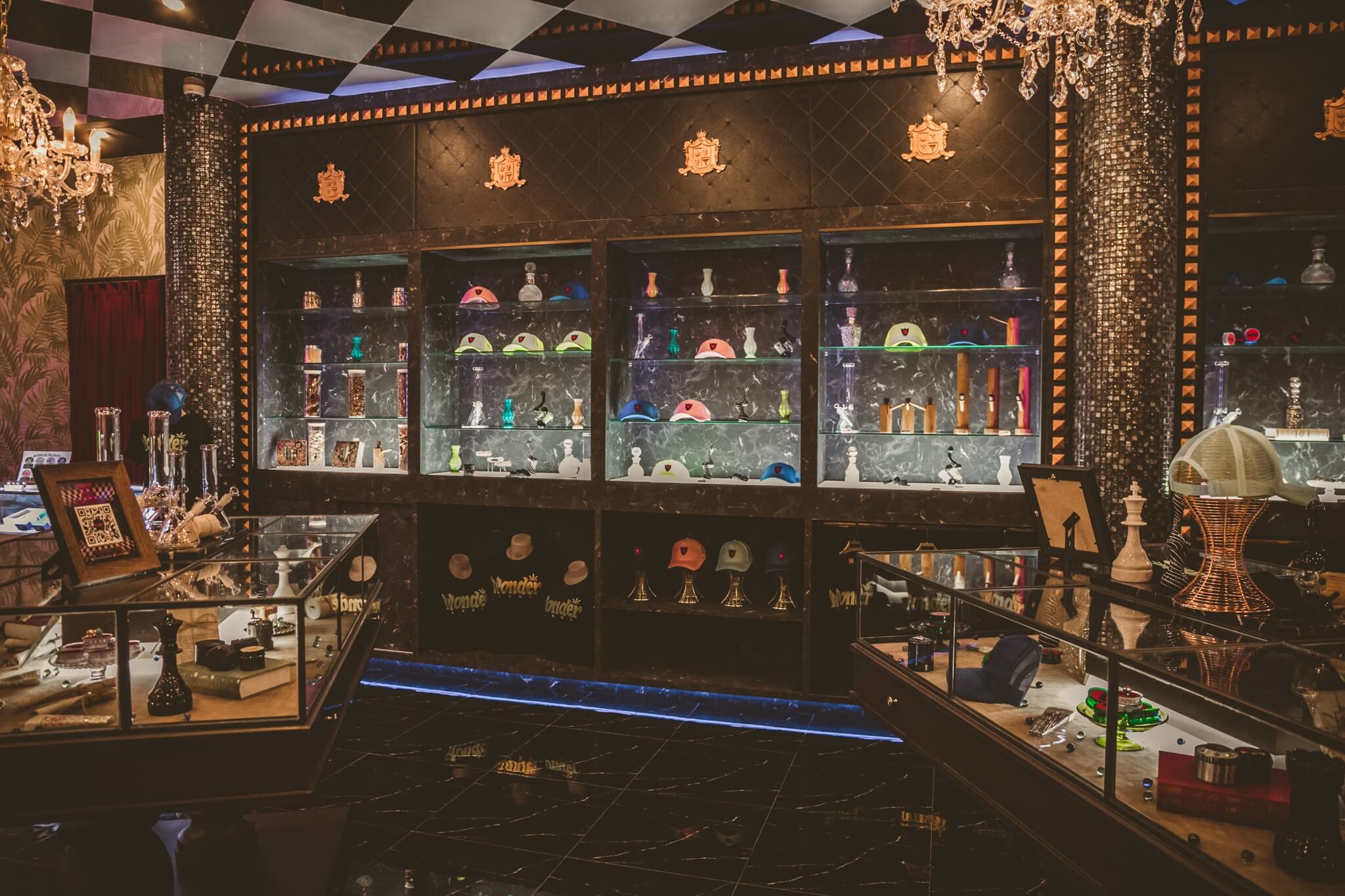
Wonderland Bangkok offers lab-tested, GACP-certified Thai-grown cannabis flower for authorised medical use. Available products may be described as indica-dominant, sativa-dominant or hybrid, but the team can also explain the wider information behind those labels.
Depending on the product, this may include:
- Reported parent strains
- Hybrid classification
- THC and CBD results
- Terpene characteristics
- Cultivation information
- Certificates of analysis
This broader approach helps customers understand why two indica-labelled products may differ and why two sativas should not automatically be treated as interchangeable.
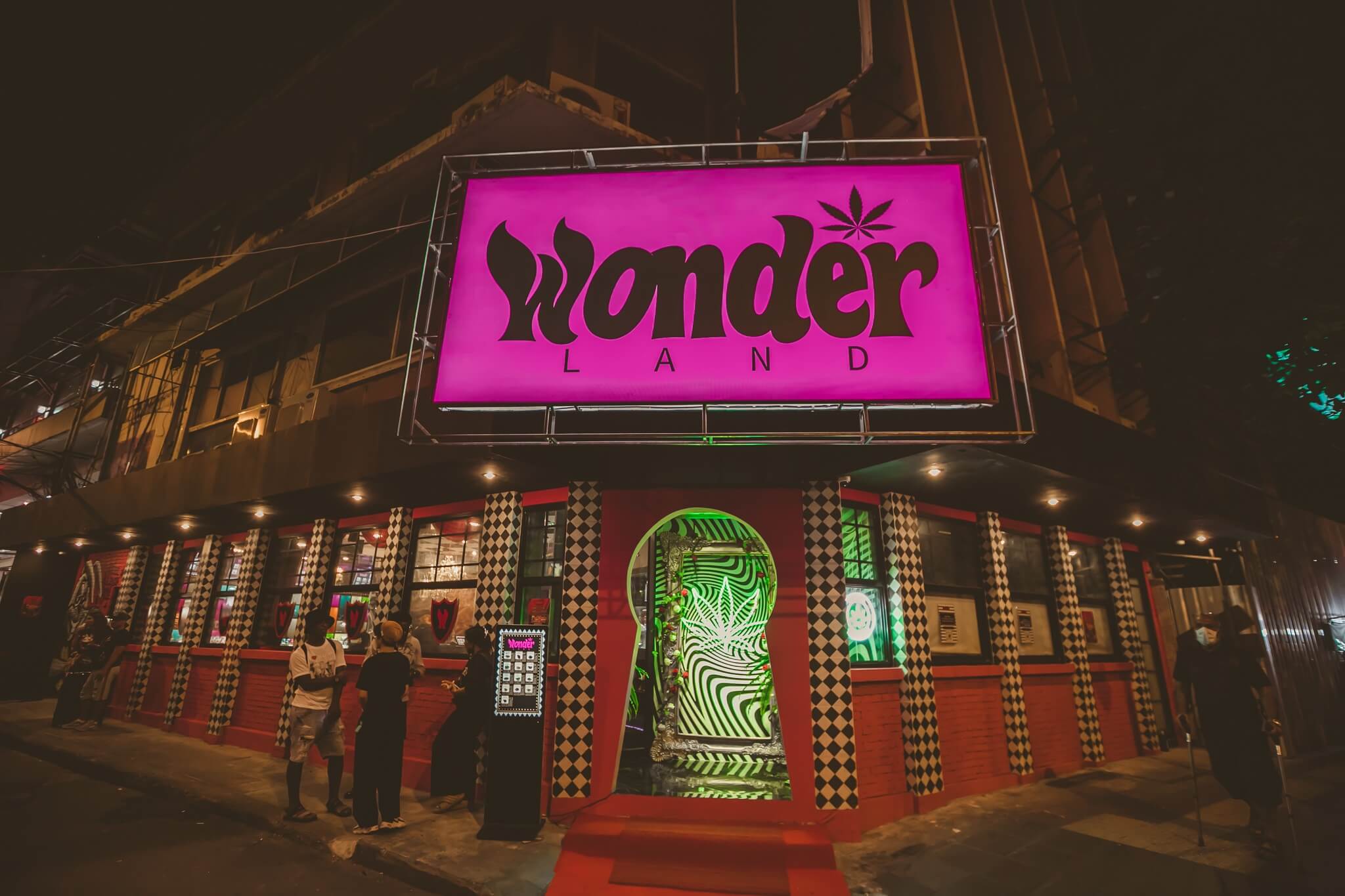
Customers can view the available Wonderland Bangkok cannabis menu before visiting the dispensary on Sukhumvit Soi 5. Cannabis flower is supplied in person through the compliant dispensary process rather than as a casual online delivery product.
The Labels Still Matter, but They Are Not the Whole Story
The indica vs sativa distinction has not become completely meaningless. It remains a familiar way to organise cultivars and communicate their history or general positioning. What has changed is our understanding of its limitations.
Modern hybridisation means that most flower cannot be divided neatly into two genetically pure groups. Cannabinoids, terpenes, phenotype, cultivation, laboratory testing and individual response provide important information that the label cannot supply.
The most sensible approach to indica vs sativa is therefore to treat the classification as a starting point rather than a final answer. At Wonderland Bangkok, customers can consider the label alongside the genetics, chemical profile and documentation of the current product before choosing flower that is consistent with their authorised medical treatment.